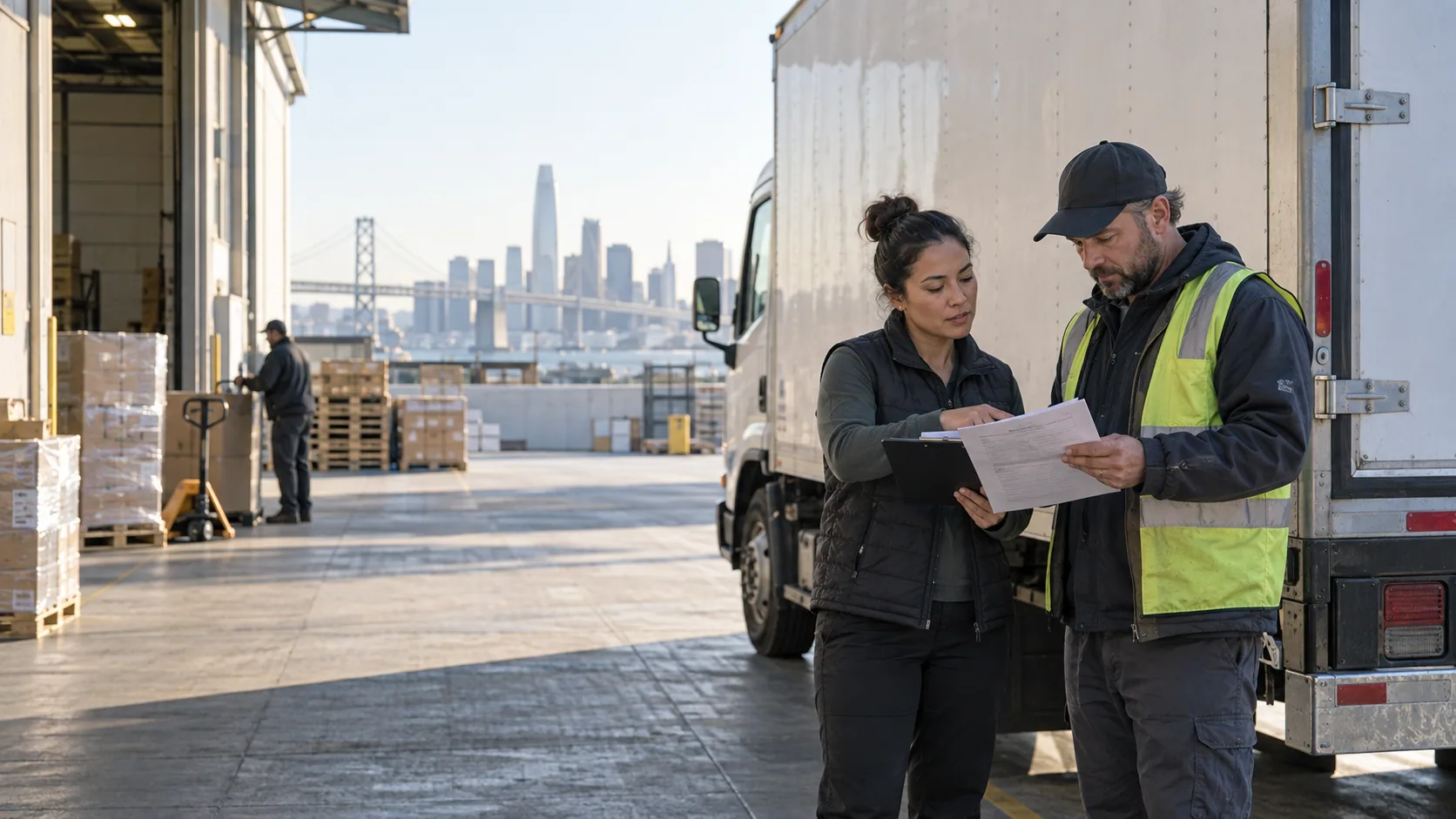
Identify the role, property, and movement at issue
does business interruption cover supply chain disruption depends on whether the business is acting as carrier, broker, distributor, warehouse operator, owner operator, delivery business, or customer-facing logistics provider. The commodity, value, custody, vehicle, route, storage, people, contract, and alleged loss must be described before a policy term can be compared.
Map the handoff from pickup through loading, transport, temporary storage, unloading, and delivery. Identify every legal entity and third party that controls the goods, vehicle, dispatch, driver, customer promise, or system at each stage.
Collect the operating and incident records
Gather the bill of lading, freight or warehouse agreement, shipment value and commodity record, dispatch notes, driver and vehicle schedule, trailer or rental agreement, delivery confirmation, location schedule, inventory report, security record, customer demand, and current declarations and endorsements.
For a loss or disruption, preserve original photos, seals, GPS or telematics, loading records, temperature or water evidence where relevant, vendor notices, invoices, claim communications, and a dated chronology. Keep estimates separate from confirmed facts.
Read the issued forms alongside the contract
Compare cargo, inland marine, commercial auto, general liability, property, business-income, cyber, crime, workers-compensation, and broker-related terms only where the operational facts create that question. Check covered property or autos, insured definitions, exclusions, limits, valuation, deductibles, sublimits, territory, conditions, and notice duties.
Read the shipper, broker, warehouse, customer, driver, and lease agreements separately. Contract responsibilities can extend beyond a policy and need a business or legal review rather than a certificate-only answer.
Trace one load, vehicle, or warehouse handoff
For does business interruption cover supply chain disruption, select one representative shipment or operating day and trace it from order acceptance to final delivery. Record the commodity, declared or invoiced value, shipper, consignee, pickup point, loading party, vehicle and trailer, driver, route, stops, overnight parking, transfer points, warehouse receipt, and proof of delivery. This reveals when custody and control change and which business entity is actually responsible at each point.
If the question involves a warehouse, use a location-specific inventory report that distinguishes owned goods, customer goods, returned stock, property in transit, staging-area property, and leased equipment. For a fleet question, reconcile the vehicle schedule with dispatch, rental, maintenance, driver, garaging, and substitute-vehicle records rather than using registrations alone.
Break a loss or interruption into records
Separate damage to goods, damage to the vehicle or trailer, third-party injury or property damage, theft, water or temperature exposure, storage, delayed delivery, customer credits, lost revenue, emergency labor, and recovery expense. Each category can involve a different value basis, contract term, policy definition, deductible, sublimit, or notice path.
Preserve bill of lading, condition reports, seals, photographs, telematics, dispatch messages, temperature logs, delivery receipts, invoices, warehouse scans, maintenance records, driver statements, vendor notices, and customer demands. Use a dated claim diary so operations, finance, dispatch, and customer service do not create competing versions of the same event.
Compare contract language with custody facts
Extract liability limitations, declared-value clauses, cargo responsibility, indemnity, certificate requests, driver or subcontractor duties, storage terms, and notification obligations from the shipper, broker, warehouse, and carrier agreements. Identify which legal entity signed and whether the actual movement followed the contracted path.
Then compare the precise request with issued forms and endorsements. A customer certificate or a general cargo limit does not resolve a valuation condition, a theft exclusion, a freight-broker responsibility, a hired-auto question, or a customer-goods provision. Keep form-level answers with the corresponding contract.
Leave a usable decision file
Record the exact question, account facts, documents reviewed, relevant policy form and endorsement, open issue, owner, and decision date. Reopen the file when the commodity, maximum load, route, warehouse, vehicle, driver, vendor, customer contract, or technology dependency changes.
Policy wording, declarations, endorsements, contract terms, actual facts, and applicable law control any particular outcome. This is general educational information and does not promise a coverage result.